


Published September 18, 2025
Food-Grade Compliance: What Importers Should Ask For
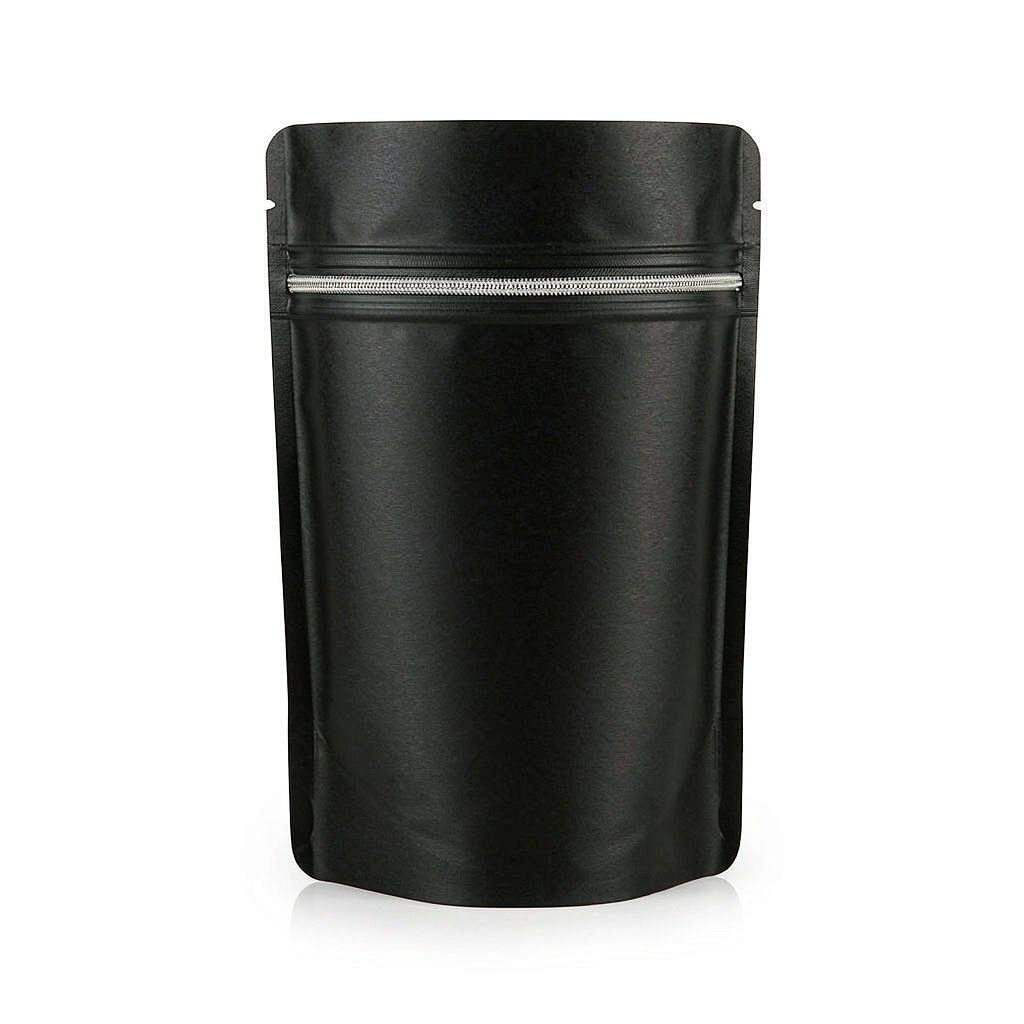
Ask for a declaration of compliance that names your target regulation, not a generic food-safe certificate. For the European Union that means EU 10/2011 on plastic materials, for the United States an FDA 21 CFR reference for each layer in contact with food. The document should list every layer of the structure, the supplier of each resin, and the migration test conditions — temperature, simulant and contact time.
Migration testing is the part buyers skip and regret. Overall migration tells you how much material moves into food in total; specific migration looks at named substances such as heavy metals or plasticisers. If your product is fatty, acidic or alcoholic, insist the test uses the correct simulant — a water-based simulant result tells you very little about a pack of oily nuts.
Finally, ask about traceability and audit scope. A BRCGS certificate is only meaningful if packaging production is actually inside its scope — read the certificate, not the logo. And request a batch-coded traceability record that links your cartons back to resin lots and machine shift: when a retailer asks a question twelve months from now, that record is the difference between a two-day answer and a two-week recall.
Ready to Price Your Packaging Project?
Send us your bag type, size, quantity and artwork — a packaging specialist will quote within 24 hours, with free dieline and digital sample.
Request a Quote